OZ Media Digital
Why Local Search Matters
When someone in Sydney searches for a colour refresh, a hairdresser nearby or a salon they can book soon, your business needs to be easy to find and contact. A search may show Google Maps and local business listings before regular website results, so a useful Google Business Profile matters alongside a clear, helpful website.
The details need to work together. Your profile should show accurate services, hours and booking information, while your website helps people understand what a treatment involves and whether it suits them. A local guide such as Time Out Sydney’s salon recommendations also reflects how people choose: location matters, but so do trust and the experience a salon offers.
Local SEO is a steady set of improvements, not a quick fix or a promise of a particular ranking or number of bookings. For a salon, that means keeping local information accurate, building useful pages for individual treatments, earning and responding to reviews, and making the booking path straightforward. Each step gives potential clients a clearer reason and an easier way to get in touch.
OZ Media Digital helps local service businesses with hyper-local SEO and mobile-first websites, alongside practical guidance on turning online interest into enquiries. The useful measure is not visibility alone: track whether people call, ask about a treatment or book. The sections ahead cover how to set priorities, improve the salon’s local presence and measure whether those changes are bringing in enquiries.
Start With Your Local Search Priorities

Make a short list of your main treatments, the suburbs your clients actually come from, and the nearby areas you genuinely serve. Add the phrases people use when they compare options, such as a treatment name, a price query or a question about what to expect. The aim is to reflect client language, not to squeeze every phrase into every page.
Search intent can vary by service. Someone looking for a hairdresser nearby or hoping to book this week may want hours, location and an easy booking option straight away. A person considering a higher-cost or more involved treatment may first compare methods, likely results, prices and who the service suits.
Match each search topic to one useful destination. A treatment query usually belongs on its service page, while a genuine suburb or branch query may suit a location page or business profile. A common client question can be answered in an FAQ that links to the relevant service. Avoid making several pages target the same query, as they can compete with one another instead of giving searchers a clear answer.
For example, someone comparing Sydney salons may look beyond a service name to the suburb and the feel of the salon. A locally edited Time Out Sydney salon guide shows how recommendations can span distinct areas such as Surry Hills, Paddington and the Northern Beaches. Your own pages should be just as grounded in the places you serve, rather than naming suburbs for reach alone.
Use your search-topic list to decide what deserves attention first, then review it as client questions and business priorities change.
Make Your Google Business Profile Useful
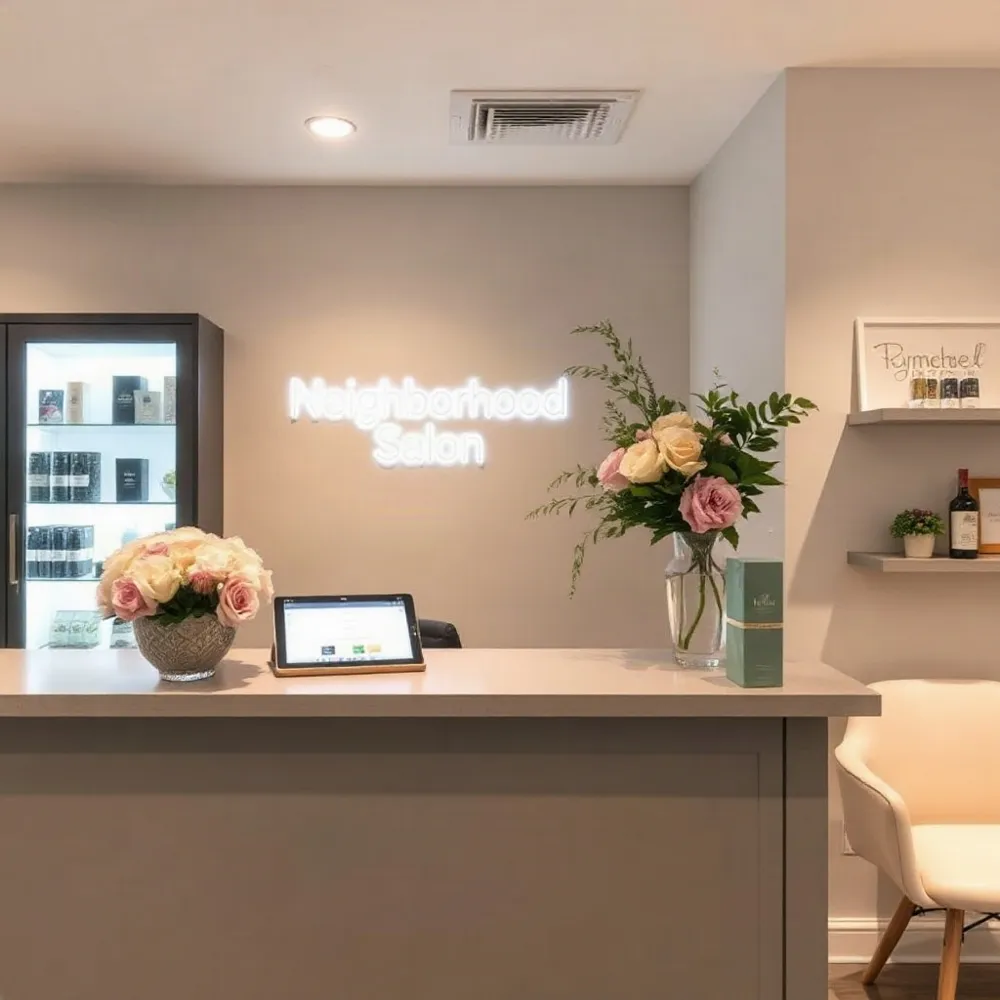
For many prospective clients, your Google Business Profile is the first point of contact with your salon. It can appear in Google Search and Maps, letting people check what you offer, see where you are and call or follow a booking link without first visiting your website. Treat it like a shopfront: the details should be accurate, useful and kept up to date.
Start with a quick accuracy check. Confirm your salon’s name, street address, phone number, map pin and opening hours. Test the website and booking links on a mobile phone, and check that they lead to the right place. A misplaced pin, old phone number or broken booking link can make it harder for a nearby client to get in touch.
Then fill in the details that help people understand the salon. Choose the most relevant business category, list the treatments you offer, and write clear descriptions with prices where appropriate. Add current photos and videos of the salon and its work. Use posts or business updates for timely news, such as a change to opening hours or a new service, rather than leaving old information in place.
Local results are influenced by relevance, distance and prominence. Accurate service details can help show how your salon matches a search, but you cannot control how far away the person searching is. A complete profile is useful groundwork, not a promise of a particular position in the results. OZ Media Digital’s hyper-local SEO work focuses on matching a business’s online information to its services and local area, alongside practical marketing support.
If your salon has more than one eligible location, maintain a separate profile for each premises. Check that each one has its own correct address, phone number, hours, photos and booking link. Avoid copying one location’s details across every profile if they differ in practice.
Make a habit of checking Google Business Profile Performance Insights, too. Views and actions such as calls, direction requests and website clicks can show how people are using the profile. Compare those signals with enquiries and bookings where possible, so you can spot useful activity as well as details that need attention. OZ Media Digital also offers one-on-one training and consulting, which can help owners build a manageable routine for reviewing their online presence.
Keep Local Listings Consistent
When a client finds your salon in a directory, on a map or through a search, the business name, address and phone number should match. Consistent details help people recognise they have found the right salon and contact or visit you without second-guessing which information is current.
Start by checking the listings you already have. Look for old phone numbers, outdated opening details, duplicate entries, misspellings and map pins in the wrong spot. Correct or remove errors before creating new listings. Adding your salon to every directory you come across can create more mismatches to manage, rather than making it easier for clients to find you.
OZ Media Digital’s hyper-local SEO work is grounded in the areas a business actually serves. For a salon, check where current clients travel from, then decide which nearby suburbs you genuinely want to reach. Use those place names naturally in relevant website copy and profile details. Avoid claiming suburbs you do not serve or building pages that only repeat a location name without useful information for clients.
A suburb can be a useful detail when it helps someone understand where a service is available. It should sit alongside practical information, such as the treatment offered, how to get there and how to book. Keep each listing and page accurate, rather than forcing suburb names into every description.
If your business has more than one premises, check each location separately. Make sure its address, phone number, services and booking options point to the right salon. A client looking at one location should not have to work out whether the listed treatment or appointment link belongs to another. OZ Media Digital also offers strategy before ad spend, so local visibility work can start with fixing these practical details.
Build Pages Around Each Treatment
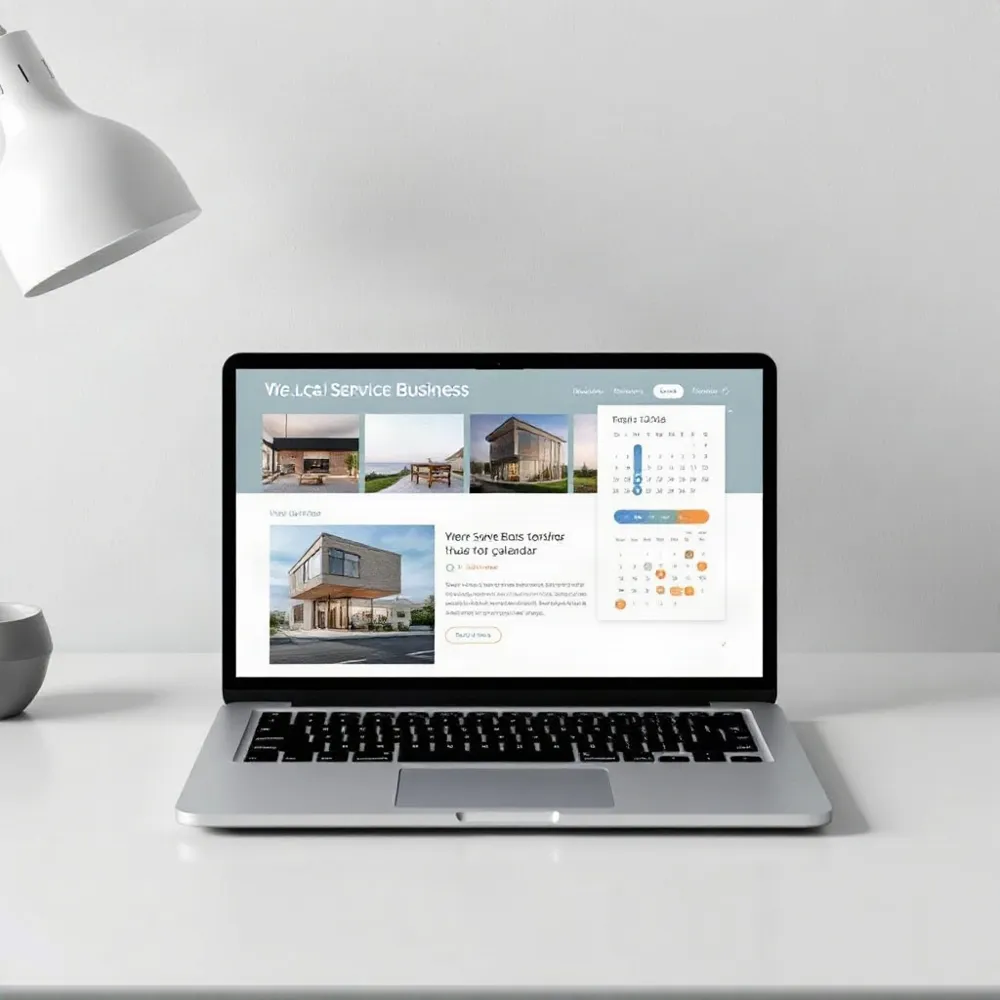
A single salon page rarely gives every treatment enough room to answer a searcher’s questions. Build a separate page for each core service, so someone looking for balayage, keratin treatments or hair extensions lands on information that matches what they want.
Think of each page as a useful appointment conversation, not just a list of services. Explain what the treatment involves, who it may suit and what results clients can reasonably expect. Outline the process, how long an appointment takes, the price or pricing approach, and where the salon is located.
Include relevant, genuine photos and answers to common questions, then make the next step obvious with a clear booking option. If the price varies by hair length or consultation, say so and explain how clients can get an estimate. Specific, helpful details give people a better basis for deciding whether to enquire.
Use service and suburb terms where they read naturally and match the areas the salon actually serves. A page might describe balayage appointments in Paddington or keratin treatments for clients near Bondi, if those locations reflect the business. The aim is to clarify relevance for people, not to repeat place names unnaturally.
For inspiration, a local editorial guide such as Time Out Sydney’s salon selection shows how salon choices are tied to specific parts of the city. It is a curated guide, not evidence of search rankings, but it underlines why clear location details can help a prospective client assess whether a salon is convenient.
Supporting content can bring people to the right service page. A short article on maintaining colour between visits, an FAQ about a first colouring appointment, or a social post showing a treatment result can link directly to the relevant page. Keep the advice accurate and useful rather than publishing content just to add more pages.
Describe images clearly with accurate filenames, captions and alt text, such as noting the treatment and the result shown. These details help explain the image to visitors and search tools, but they do not guarantee visibility on their own. For salons working with OZ Media Digital, this page-by-page approach fits its focus on practical local SEO and content built around what customers are looking for.
Make the Website Easy to Use
A salon website should help someone decide whether to book, then make the next step obvious. Put your core services, prices, location, opening hours and booking option somewhere visitors can find without hunting through menus.
Many prospective clients search on their phones, often while comparing nearby options. Check that text is readable, buttons are easy to tap and important details fit the screen. Pages that load slowly or feel awkward on mobile can frustrate visitors and weaken the site’s technical foundations.
Make booking straightforward. Add a visible booking link to relevant pages and keep it current on your Google Business Profile, social profiles and reminder messages if you use them. A short mobile-friendly form, with clear instructions on cancellations and rescheduling, helps clients understand what to expect before they commit.
There are a few practical checks worth adding to your regular website maintenance. Confirm that the site uses secure hosting, the pages follow a clear structure and each important page can be reached through working links. Look for broken links, content that appears in more than one place, and issues that prevent search engines from properly reading your site.
Treat these checks as ongoing maintenance, not a one-off fix or a promise of a particular search position. Services change, booking links move and pages can develop errors over time. A regular review gives you a chance to catch problems before they affect a client trying to find information or make an appointment.
Earn Reviews and Respond Well
A thoughtful review can help a prospective client judge whether your salon feels trustworthy and suits their needs. Reviews may also contribute to local prominence in search, but they do not guarantee a higher ranking or a booking. For a salon, the most useful reviews tend to reflect a real visit and give future clients a clearer sense of the service and experience.
Start with the service itself. Skilled work, clear communication and a welcoming appointment give clients a genuine reason to share feedback. After a client has had a positive experience, ask personally and soon after the visit, while the details are still fresh. A text or email with a simple review link makes the next step easy.
A short thank-you message can make the request feel personal rather than automatic. You might say that you appreciated their visit and that honest feedback helps the salon improve and helps other clients decide what to book. Keep the request polite and optional. Avoid pressuring clients or asking only for five-star ratings.
Reported research offers context, not a forecast for an individual business. A study cited by Square found differences in new-client and repeat-client rates between salons that request Google reviews and those that do not, but those figures do not show what a Sydney salon should expect. Treat reviews as one part of the client experience, not a substitute for service quality or a promise of more bookings.
OZ Media Digital describes AI-driven follow-up and review-request automation among its services, which can help a small business keep requests from slipping through the cracks. Automation should still feel considerate: personalise the message where possible, send it at an appropriate time and make it easy for the client to ignore.
Respond to positive reviews with a brief, genuine thank-you. For a critical review, acknowledge the concern without becoming defensive, offer a constructive response and invite the client to discuss how to resolve the issue. Keep private details out of a public reply. A calm response can show prospective clients how the salon handles problems, even when the original experience fell short.
If you are considering a discount on a future appointment or products, or offering loyalty points in exchange for a review, check the applicable platform rules and local requirements first. The safest approach is to request honest feedback without tying it to a reward or a particular rating. A simple, consistent process helps you learn from clients while keeping trust at the centre of your review strategy.
Publish Content That Answers Real Questions
Useful salon content starts with the questions clients ask before booking, not a target number of blog posts. Think about what someone wants to know before trying a new treatment: how colour is maintained, what a first appointment involves, or whether a service suits their hair. OZ Media Digital’s content planning can sit alongside its local SEO work, helping small businesses connect search topics with pages that answer them.
Create a practical guide or FAQ for questions that come up often at the salon. A colour-maintenance article, for example, can explain aftercare and link readers to the salon’s colour service page, where they can check details and book. This gives the reader a useful next step instead of leaving them to search again.
Use suburb names only where they reflect your real location, client base or service area. A salon in Newtown could naturally describe a colour service available there, while a salon elsewhere should focus on the neighbourhoods its clients actually come from. Local context should help people understand where you are, not make every sentence sound like a search phrase.
Social posts can extend the same answers beyond the website. Before-and-after photos, short treatment videos and client FAQs show the work and help people understand what to expect. Pair a service with a location naturally in a caption when it is relevant, such as a hair-colour refresh in Paddington, rather than repeating suburb names mechanically.
Share useful service details and promotions across the website, Google Business Profile and social channels. Keep the offer, terms and availability clear, then give people one straightforward action, such as checking the service page or booking online. OZ Media Digital also supports social media marketing and mobile-first web development, so the content and the booking destination can work together.
For inspiration, a Time Out Sydney guide to local salons shows how location and a salon’s character can help readers assess whether a place suits them. Your own content should offer that practical clarity in your voice, grounded in the services you provide and the questions your clients bring to the chair.
Measure Enquiries and Bookings
Rankings can show whether your salon is appearing for relevant searches, but they do not tell you on their own whether that visibility is bringing in clients. Track rankings alongside organic visits, enquiries and bookings, using regular reports that make sense to you. At OZ Media Digital, reporting is framed in practical business terms so owners can see how online activity relates to leads, rather than getting a list of technical metrics.
For your Google Business Profile, review the available figures for calls, direction requests, website clicks and other interactions. These actions can show how people are responding before they reach your site or booking system. Pair them with Google Search Console, which shows the searches and pages receiving clicks, and Google Analytics, which helps you review site visits and page activity.
Online reports do not always explain what prompted someone to book. Ask new clients how they found the salon, and note whether they mention Google, a particular service page, a recommendation or another channel. This simple question can add useful context, especially when a person sees your business online but books by phone or in person.
Connect those signals to salon outcomes: new-client bookings, how often clients rebook before leaving, retail purchases and average customer spend. A rise in website visits matters most when it supports the kind of activity your business wants, such as more suitable enquiries or returning clients. OZ Media Digital combines digital marketing with lead follow-up support, which can help businesses keep track of enquiries instead of letting them slip through the cracks.
Use what you learn to adjust the plan. If a treatment page attracts visits but few booking enquiries, check whether the service details, pricing, location and booking step are clear. If profile interactions lead to calls, make sure someone can respond promptly. The aim is to find which pages and channels contribute to real business activity, then put effort into what is working and improve what is not.
Set Realistic Timelines
Local SEO rarely follows a fixed schedule. Progress depends on how competitive the searches are, the website’s current condition and the work needed to improve it. A salon with accurate listings and useful service pages may be starting from a different place than one that needs major fixes. Any timeline is an estimate, not a promise of rankings or bookings.
Agency estimates vary because they may describe different outcomes. One frames page-one visibility as a longer-term goal, while another expects local improvements to begin sooner. The first is about reaching a particular search position; the second may refer to early movement in local visibility. Neither estimate is a universal timetable, and the examples supplied do not establish what a Sydney salon can expect.
While broader local visibility develops, build pages and useful content around specific treatments and genuine service areas. A focused search, such as a particular treatment in a suburb the salon serves, may be a practical priority alongside broader terms. Treat this as a sensible way to organise the work, not a promise that a page will rank by a set date.
Paid advertising and SEO also work on different time horizons in one agency’s strategic view: ads can provide visibility while they are funded, while SEO aims to build longer-term organic visibility. Neither outcome is automatic. OZ Media Digital puts strategy before ad spend, which can help owners decide how paid activity fits alongside work on local search.
Agree on a reporting rhythm with whoever manages the work, and review progress against more than rankings. Check whether relevant searches are bringing qualified enquiries, calls or booking requests, and whether those contacts turn into appointments. OZ Media Digital also offers AI-powered lead follow-up, helping businesses respond to enquiries that might otherwise be missed. Use the reporting to decide what to improve next, rather than judging the whole effort on a single ranking snapshot.
Use Local Examples With Care
Sydney-specific examples can help you explain what your salon offers, but they should reflect the people and places you genuinely serve. Mentioning a suburb just because it is well known will not make a page useful to someone choosing a salon nearby.
Use local details that help a prospective client picture the visit: where your salon is, which services you provide and whether the location suits their needs. A single-location salon may be able to compete for searches close to its premises by making its services and location clear. That is a practical direction, not a promise of rankings.
For a sense of how salon choices span the city, Time Out Sydney’s locally curated salon guide features options in Surry Hills, Paddington and the Northern Beaches. It is an editorial recommendation list, not a complete directory or evidence about search rankings. Treat it as a snapshot of varied local options, rather than a measure of which salons appear first online.
The same care applies to results quoted by marketing agencies. Examples from other cities, industries or business types do not predict what a Sydney salon will achieve. Avoid presenting them as salon case studies or using them to promise a particular lift in visibility or bookings.
OZ Media Digital’s local-knowledge team can help small businesses shape search activity around their real service areas, rather than adding suburb names without a sound reason. Keep each local example specific, accurate and useful to a nearby client, and be clear about what it can and cannot show.
A Steady Local SEO Routine
Local SEO works best as a manageable routine, not a one-off tidy-up. Keep your business details accurate on your Google Business Profile and other listings, then check that your opening hours, services and booking links still match what clients will find when they arrive.
Next, refresh the service pages that matter most to your salon. Make each page clear about the treatment, who it suits, where you offer it and how to book. Check the booking journey on a mobile phone, where a confusing form or hard-to-find button can put someone off.
Ask clients for reviews in a respectful, low-pressure way, and respond thoughtfully to feedback. Then review enquiries and bookings alongside search activity, so you can see whether your work is bringing in the right people. OZ Media Digital combines local SEO with mobile-first web development and AI-powered follow-up, helping small service businesses address visibility and missed leads together.
Keep every change grounded in the salon’s real treatments, location and clientele. A suburb page for somewhere you do not serve, or a claim that does not reflect your service, is unlikely to help clients make a sound choice. For ideas about how salons are presented locally, Time Out Sydney’s salon guide offers examples across different parts of the city, though it is an editorial selection, not a search-ranking guide.
Useful, consistent work can strengthen your local presence over time, but no routine can control every ranking change or guarantee bookings. Keep checking what clients need and adjust your pages and process as the business changes.