 OZ Media Digital
Why Your Aussie Business Needs a Digital Edge
Think about the last time you needed a plumber, a good café for lunch, or a new hairdresser. You probably pulled out your phone and searched online before making a choice. That's how your customers find you too. If your business doesn't show up in those search results, you're handing customers straight to competitors who do.
For Australian small businesses, having a digital presence isn't just about being "online." It's about being found by people in your area who are ready to book or buy. Over 70% of local Australian web traffic comes from mobile devices, and the majority of that traffic starts with a search engine like Google.
A well-built digital presence does three things: it makes sure neighbours can find you (local SEO), it captures their interest the moment they're ready (Google Ads and social media), and it turns that interest into actual bookings or sales without slipping through the cracks (automation). The good news is you don't need a huge budget or technical background to get started.
This guide walks through affordable websites, hyper-local SEO, targeted ads, social media that works for trades and cafés, and simple systems to keep leads warm after they reach out. Each section gives practical steps and real-world examples so you can start seeing results without getting lost in jargon.
What Digital Marketing Means for You
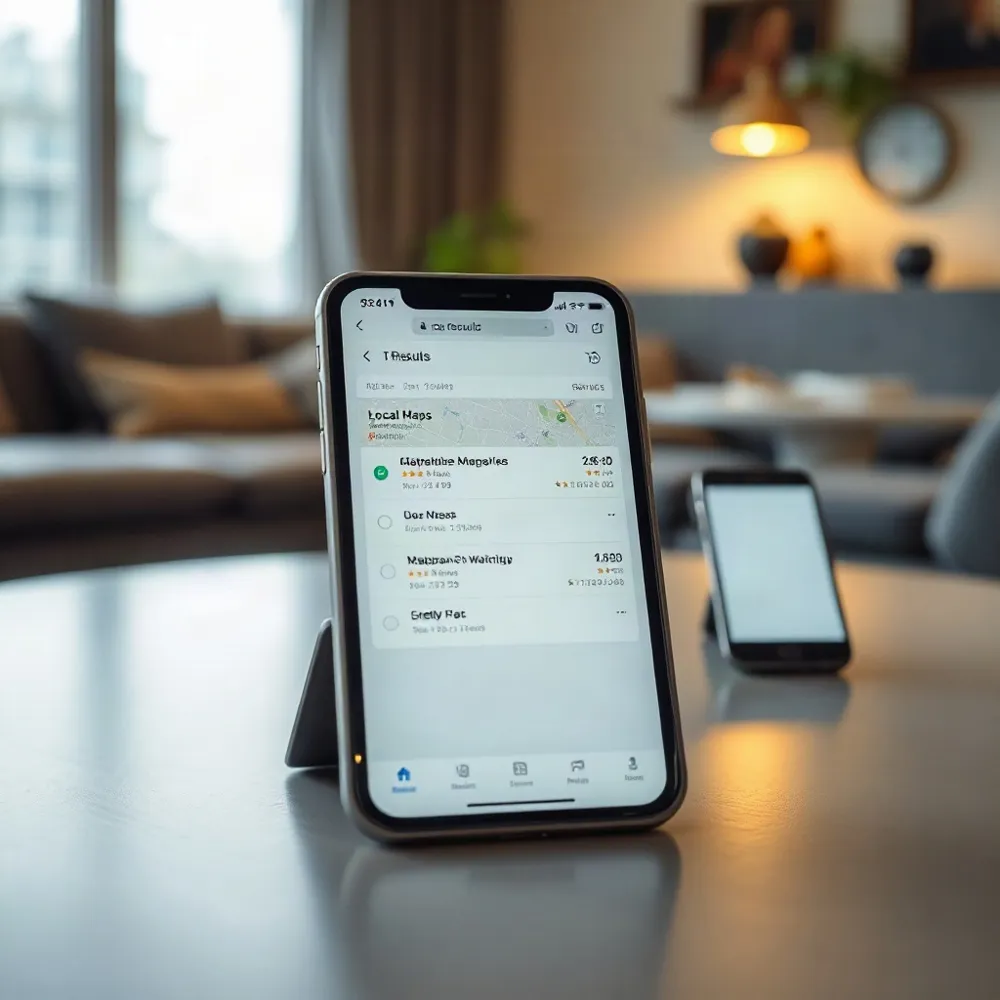
For a tradie running a three-person crew or the owner of a suburban café, the shift is simple: most customers now search online before they book services, choose where to eat, or decide which clinic to visit. A business with an active online presence gets in front of those ready-to-buy locals; one without it stays invisible.
Wix and other all-in-one builders make it possible to set up a basic site in hours, but digital marketing goes beyond having a page. It means making sure your business shows up when someone searches for what you offer. OZ Media Digital helps local service businesses build that presence through hyper-local SEO, Google Ads, and social media, turning online activity into booked jobs rather than just likes.
Building a Website That Converts Visitors into Customers
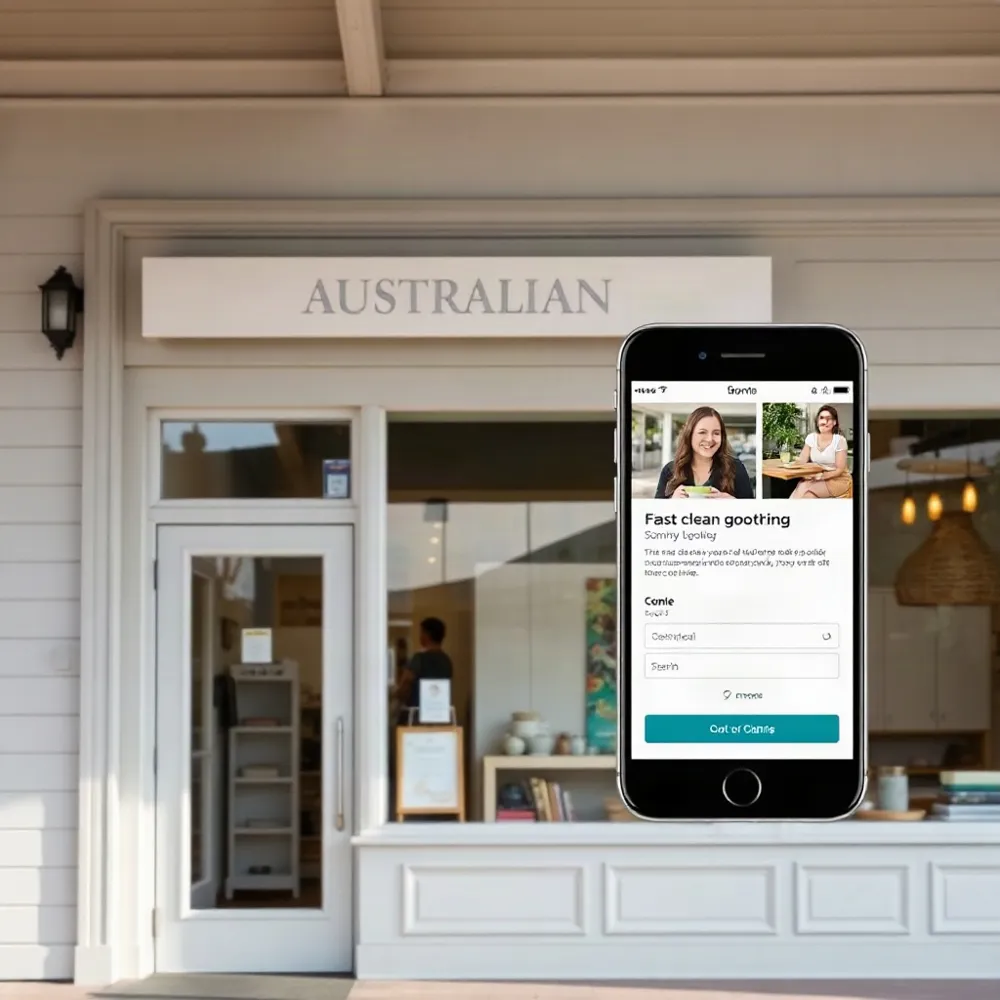
Your website needs to work hard. Over 70% of Australian web traffic comes from mobile devices, so if your site isn't built mobile-first, you're likely losing customers before they even read your headline. Google prioritises fast, mobile-friendly sites, and so do Aussie searchers.
Get your loading speed under three seconds on mobile networks. A slow site drives visitors away and hurts your search ranking. A fast-loading site built by a local professional helps keep people engaged.
When someone lands on your homepage, they need to know what you do and how to book within seconds. Use a clear headline that states your benefit, then place a prominent "Book Now" button or phone number at the top of the page. Make that step feel quick and effortless.
Trust is built with real proof. Feature genuine client testimonials and photos of your work rather than stock imagery. This social proof helps visitors feel confident choosing you over a competitor.
Keep navigation simple. Avoid pop-ups that frustrate mobile users. They often block key information and increase bounce rates. Use a straightforward contact form instead of asking people to hunt for details.
Affordable Website Options Compared

Your budget for a website can be as small as a few hundred dollars or stretch into the thousands. The right choice depends on what you need it to do. Here is how the main options stack up for Australian small businesses.
Brochure websites. $500 to $1,200 typically buys a static brochure site from a web designer. These are mobile-friendly and SEO-ready but offer limited room for growth and customisation without paying more.DIY website builders.$15 to $52 per month gets you Wix, Squarespace, or GoDaddy. They are fast to set up with drag-and-drop tools. However, many Australian businesses hit a wall once they need advanced marketing features or custom e-commerce, often facing an expensive migration within 12 to 18 months.Professional WordPress with agency support. $99 to $299 per month from a Website-as-a-Service (WaaS) provider bundles custom design, managed hosting, ongoing support, and strong SEO foundations. You pay nothing upfront; the monthly fee covers everything and requires little time from you.
To see how these compare in real terms: a Melbourne consulting firm spent about $2,500 in its first year on a Squarespace Business plan ($27/month), plus $800 on copywriting and $1,200 on template customisation. That is a reasonable entry point. Meanwhile, offshore cheap builds might quote $500 to $2,000 upfront but often lack local support and SEO setup.
Judge by earning potential, not just upfront cost
A site that brings in enquiries every week is worth far more than one that costs less to build but never delivers results. Evaluate any website by asking 'how much will it make me?' rather than just looking at the price tag. A solid investment attracts customers and turns visits into bookings.
Hyper-Local SEO Gets Found by Neighbours Ready to Book
Standard SEO aims for a wide audience. Hyper-local SEO targets the person searching for your exact service in your suburb or neighbourhood. Instead of chasing leads that could be an hour away, you focus on the customers already close enough to book.
The starting point is your Google Business Profile. Fill in every field, street address, service area, hours, and categories. Encourage regular customers to leave genuine reviews, as both the quantity and freshness of reviews signal trust and relevance to Google.
Subtly weave suburb names and local landmarks into your website content and headings. A page titled “Plumber Toowoomba” will rank higher when someone searches from Toowoomba than one titled simply “Plumber”. This also helps you appear in the local 3-pack (the map listing Google puts above organic results), which is often the first thing a mobile user sees.
OZ Media Digital’s hyper-local strategy focuses clients on this neighbourhood targeting from day one rather than trying to rank broadly first. For an Aussie service business, hyper-local SEO turns your online presence into a reliable lead magnet that draws nearby customers ready to book.
Using Google Ads Without Wasting Your Budget
Google Ads charges you every time someone clicks your ad. The trick is making sure those clicks come from people who actually want what you sell.
Start with a clear local strategy
Set a comfortable daily budget before you start. Target specific local keywords ("plumber Maroubra," not just "plumber")so your ad shows to neighbours who are ready to book. Use ad extensions to display your phone number and location, which builds trust without costing extra per click.
Only pay for real leads, not vanity clicks
Track which ads bring actual enquiries, not just visits. Pause anything that doesn't convert. Improve your Quality Score by matching your ad copy to the search terms and pointing it to a relevant landing page, a higher score can lower your cost per click. The goal is spending money on real customers, not feeding competitors' data.
Social Media That Actually Works for Tradies and Cafés
Yes, you should use social media for your trade or café business, but only if you are smart about it. Spreading yourself thin across every platform is a recipe for burnout. A focused, consistent effort on one or two channels where your actual customers spend time will bring far better results.
Facebook for trades. Local tradies find Facebook works well. People scroll there daily, and a well-timed post of a finished driveway or a boiler repair often leads to a direct message asking for a quote. The platform's community groups also make it easy to get recommended by word-of-mouth.Instagram for cafés. Instagram is a natural fit for cafés. The visual format lets you showcase daily specials, behind-the-scenes moments, or that perfectly poured latte. Customers tag the location when they visit, giving you free local exposure every time they share.
The goal isn't to hard-sell. It's to stay top of mind. When someone needs a plumber or a coffee on their way to work, yours should be the first name that pops up. Share real content: finished jobs, team photos, the morning rush at the counter. Consistency once or twice a week matters more than posting every day then disappearing for a month.
Keep Leads from Slipping Away After They Visit
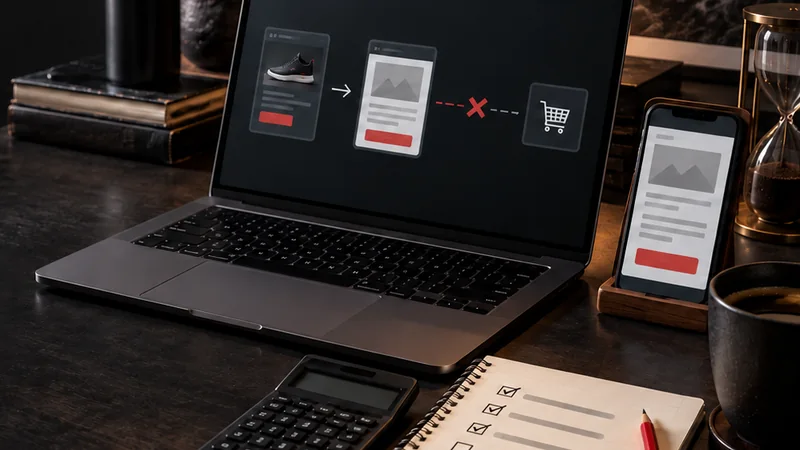
A visitor fills out your contact form or calls your number. Now what? If you reply in three days, they have likely already booked a tradie down the street.
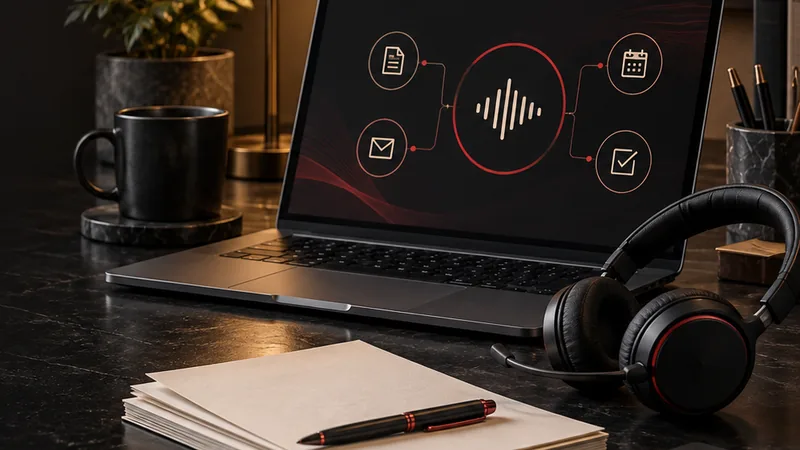
Set up automated follow-ups that fire the moment someone gets in touch. A simple email or SMS sequence can send a quote reminder, a thank-you message, or a review request without you lifting a finger. Tools that do this are affordable and easy to configure for an Aussie small business.
Pair those automations with a CRM that tracks which pages a lead visited and how long they stayed. Let the tool score and segment leads so you chase only the hot ones at the right time. OZ Media Digital builds these systems for local businesses, keeping the follow-up personal by referencing each specific enquiry.
Respond within hours, not days. The faster you reply, the less chance a potential customer forgets you or calls a competitor. With smart automation in place, you turn missed calls and abandoned forms into booked jobs without spending extra time on admin.
Why Online Reviews Matter More Than You Think
Think about the last time you hired a tradie, tried a new café, or booked a salon. Chances are you checked their online reviews first. Most Australians do exactly that before picking up the phone or clicking 'book now'. Your online reputation is often the very first thing a potential customer sees about your business.
Positive reviews build trust and act as social proof. They nudge a person on the fence to choose you over a competitor who has fewer or worse ratings. There's another reason they matter: reviews directly boost your local search ranking on Google. More positive, recent reviews mean more locals find your business when they search for what you offer.
The trick is getting a steady stream of fresh reviews without being pushy. The easiest way is to automate a simple follow-up request after every job, a quick text or email with a direct link to your Google Business Profile. This turns happy customers into one of your best marketing tools, all without any awkwardness.
You can set up automated review requests using many common CRM or marketing platforms. This helps Australian service businesses collect feedback consistently without adding manual work to their day.
Strategy vs Just Spending on Ads
Spending on ads without a strategy is like throwing cash into a funnel and hoping something sticks. You're paying for clicks, but you do not know who you are targeting or what you are measuring. A proper strategy starts before any ad goes live. It means defining your ideal customer, picking the channels that actually reach them, and setting clear benchmarks so you know what is working.
With no strategy, you burn budget chasing broad, low-intent audiences. Think of a tradie running national ads when they only service three suburbs. The clicks might come in, but they won't turn into booked jobs.
A well-planned approach avoids this trap by focusing ads on local search terms and tracking every lead source to see exactly which channel drives each booking.
Strategy makes every dollar count, while ad-spending alone just drains your account with no guarantee of results. The difference between throwing money at the problem and investing in predictable growth comes down to planning first.
Measuring What Actually Works
The only way to know if your marketing spend is working is to track the numbers that actually connect to your bottom line. That means looking past vanity stats like page views or likes and focusing on things that translate into revenue.
Start with your website visits, calls from Google, quote requests, and the cost of each lead. Free tools like Google Analytics and your Google Business Profile already provide this data without charging you a cent. If you're seeing more genuine calls and bookings at a reasonable cost per lead, your marketing is doing its job.
If the numbers aren't stacking up, don't just throw more money at the problem, tweak your strategy first. OZ Media Digital helps local service businesses identify which channels are driving real enquiries and which ones are burning budget without results, so you can adjust before spending another dollar on what isn't working.
Pick a handful of metrics that matter most to your business (cost per lead, conversion rate from enquiry to booking, or return on ad spend)and check them regularly. A monthly review gives you a clear picture of what's working and what needs changing.
Is a Digital Agency Worth the Cost?
For most owners of an Australian small business, the cost of a good agency is less than hiring even one in-house marketing person, let alone a full team. You get access to specialists in SEO, paid ads, conversion copywriting, and automation, without the salary overheads or the constant training on ever-changing platforms.
The real value comes from getting your time back. While you focus on serving customers and running operations, experts handle the complex digital landscape. A strong agency proves its worth with clear metrics: lead volume, cost per enquiry, and booked jobs. For example, an agency like OZ Media Digital builds strategy before ad spend so every dollar works toward real results for tradies, cafés and clinics.
Look for a partner with local knowledge who explains what they do in plain English. Transparent terms, such as no lock-in contracts after an initial period, let you test whether the return justifies the investment without being locked into a long-term commitment.
Start Small, Track What Works, and Grow Smart
The takeaway from all of this is straightforward: you don't need to master every channel at once. Start with the one or two actions that will make the biggest difference for your business today. For most Australian small businesses, that means nailing down a website that actually converts visitors into enquiries before layering on local SEO or Google Ads.
Once a foundation is in place (a fast, mobile-friendly site with clear contact info)turn your attention to getting it found by locals ready to book. That might be setting up a proper Google Business Profile before spending a cent on ads. Each step builds on the last, so you're never working without a base.
Watch what works and adjust as you go. When a visitor fills out a form or calls after finding you through search, that's a signal worth tracking. When an ad generates more clicks than conversions, it's time to revise the landing page or targeting. The goal is steady improvement, not instant perfection.
A smart, focused approach will bring tangible results for Aussie SMEs without requiring a full-time marketing team or an endless budget. Whether you choose to build your online presence yourself with straightforward tools like Wix and Squarespace (both rated highly by PCMag)or work with an agency such as OZ Media Digital that bundles strategy and execution into one manageable relationship, the principle stays the same: do fewer things better.