 OZ Media Digital
Why Local Search Matters for Your Trade Business
Over 85% of Australians turn to Google when searching for local products or services. When a potential customer types "plumber near me" or "electrician in Sydney" into their phone, they have clear buying intent. In fact, 76% of local searches result in a phone call or store visit within 24 hours.
Despite this, around 30% of the Australian workforce are tradies, and most trade businesses are behind on digital transformation. That leaves a wide open opportunity for businesses that act now to get found online before their competitors do.
A solid local search strategy combines four things: a properly set up Google Business Profile, a website built to rank locally, targeted ads that book jobs, and automated follow-ups so no lead goes cold. OZ Media Digital helps Australian tradespeople put those pieces together with practical campaigns tailored to real-world results.
Set Up Your Google Business Profile for Success
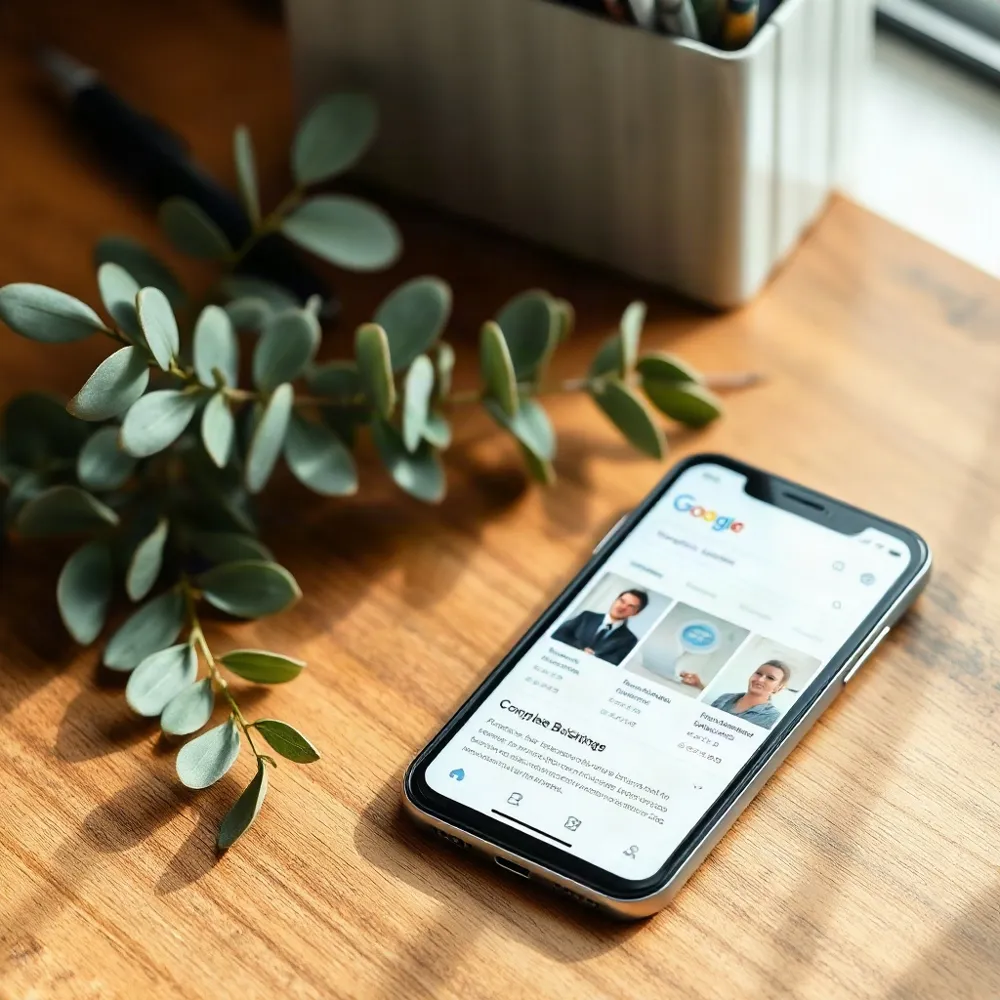
Your Google Business Profile is often the first thing a potential customer sees when they search for a tradie in your area. Getting it right matters because Google's local ranking system relies on relevance, distance, and prominence, and your profile is where you prove all three.
Start by filling out every field completely. Your business name, address, phone number, service areas, and hours must be accurate and consistent with what appears on your website. Even small discrepancies can confuse Google's algorithm and hurt your ranking.
Next, choose your categories wisely. You get one primary category and up to nine secondary ones, select the ones that best describe the work you actually do. An electrician who also does data cabling should list both, not just a generic "Electrician" tag.
Photos of completed jobs signal to customers (and Google) that your business is active and real. Aim to upload fresh images weekly, a kitchen renovation today, a bathroom waterproofing job tomorrow. Use Google Posts to share offers, helpful tips, or behind-the-scenes updates about current projects.
Tips to improve your local ranking on Google also include managing the Q&A section proactively. Populate it with common questions customers ask, "Do you quote over the phone?" or "What suburbs do you serve?", so someone searching gets instant answers instead of silence.
Finally, verify your profile with Google if you haven't already. An unverified profile may not show up at all in certain searches. OZ Media Digital includes full GBP setup as part of its hyper-local SEO service, so trade businesses skip the guesswork and start ranking sooner.
Build a Website That Converts Local Traffic
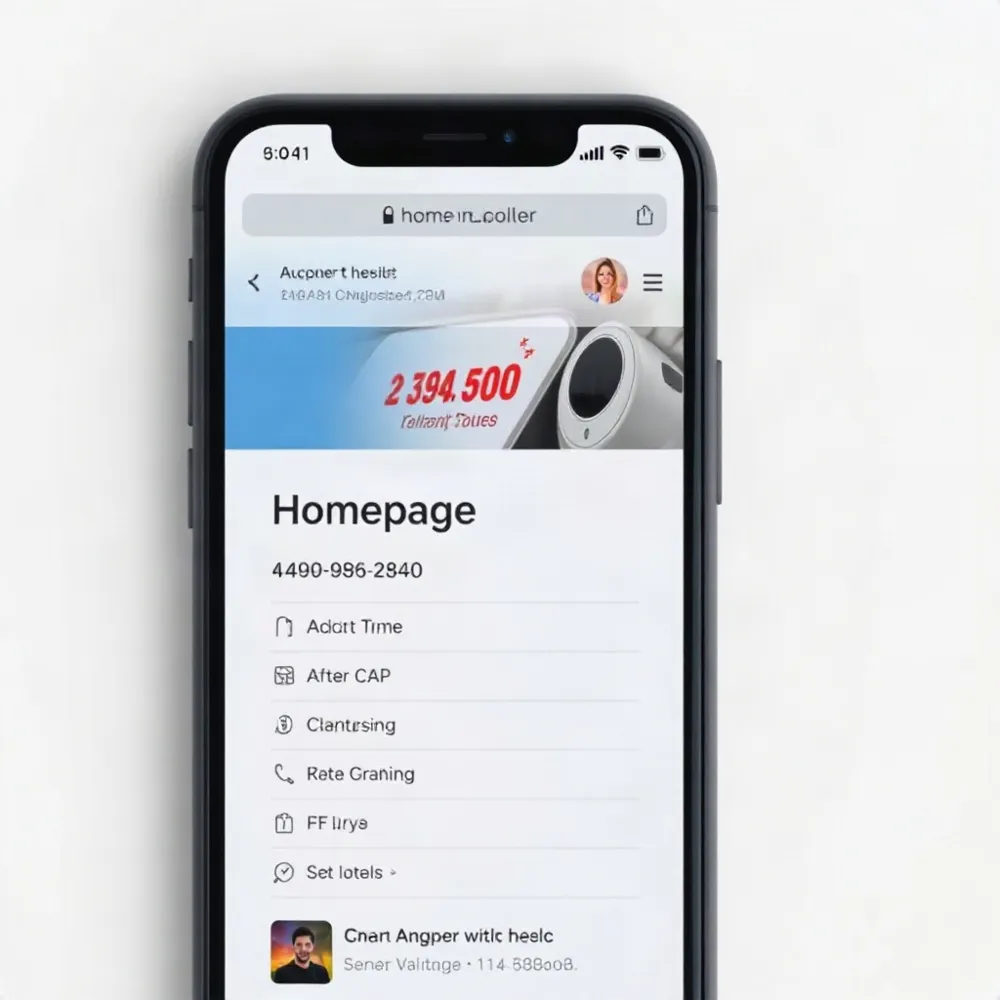
Your website isn't just an online business card. It's your shopfront. Over 60% of local searches happen on smartphones, so if your site takes more than a couple of seconds to load on mobile, you're likely losing the lead to a faster competitor.
Make the phone number impossible to miss. A click-to-call button visible above the fold means a potential customer in Mosman or Maroubra can ring you with one tap, no scrolling required.
Dedicated Service Pages Beat One Generic Page
The single most common mistake with trade websites is having one 'Services' page that lists everything in bullet points. Google needs depth to understand what you do and where. Build a separate page for each core service ('Roof Repairs in Newcastle', 'Gutter Cleaning in Lake Macquarie')written clearly, with enough detail to answer customer questions.
Tips to improve your local ranking on Google confirms that providing complete and detailed business information helps your profile match relevant searches. The same principle applies to your site: location-specific content tells Google exactly where you operate and for what services.
NAP Consistency and Schema Markup
Even small variations in your business name, address, or phone number across pages can weaken local rankings. Double-check that every page and listing uses the exact same format, no abbreviations, no stray spaces.
Local business schema markup is structured data you add to your site's code that helps search engines understand your details (name, address, hours) and can enable rich snippets in search results. It's a technical step worth asking your web developer about, or an agency like OZ Media Digital handles it as part of their fast mobile-first web development service.
Master On-Page SEO for Local Keywords
On-page SEO is how you tell both Google and potential customers exactly what you do and where you do it. It's the process of optimising the content and HTML source code of your website pages to help search engines understand them. The right approach means your electrical, plumbing or building business shows up when someone in your suburb searches for your service.
Start with your title tags and meta descriptions. These are the first lines a searcher sees in results, and they need to clearly include your primary service and suburb. A good title tag looks like "Electrician Sydney: Licensed Local Sparkies in North Shore" rather than just "Electrical Services". Headers (H1, H2) on each page should follow the same pattern, one clear main heading per page that names the service and location.
Don't stop at text on the page. Optimise your URL slugs too, a URL like /electrician/north-sydney is far more useful than /page-3. Add descriptive alt text to images of completed jobs that includes the service and location ("roof restoration in Mosman after storm"). Every element becomes a signal for Google's local search algorithm, which weighs relevance, distance, and prominence as its core factors alongside signals from services like Google's support page for improving local ranking.
Content Quality Over Keyword Repetition
"Keyword stuffing" used to be common practice, repeating "plumber Bondi plumber Bondi" throughout a page until it read like garbage. Google penalises that approach now. Instead, write clear, helpful prose that answers real customer questions: What does a gas fitter do? How long does a bathroom renovation take in Chatswood? Content that genuinely helps readers tends to rank better because it earns clicks, dwell time, and links.
'Contextual relevance matters more than repetition' is worth writing down if you're reviewing your website content today. The days of huge keyword-dense paragraphs are gone; clear, concise copy without fluff performs better across both traditional search results and emerging AI-powered search engines.
Internal Links Pass Authority Through Your Site
OZ Media Digital builds websites where internal linking flows naturally from each dedicated service or location page back toward other related offerings. When the page linked from your Google Business Profile (often your homepage) contains strategic internal links to key service pages or suburb-focused landing pages directly supporting specific GBP categories, authority flows through those pathways.
Get More Reviews and Manage Your Reputation
Online reviews are one of the most powerful tools for a trade business. 92% of consumers read reviews before hiring a local service, and Google treats review volume, recency, and how you respond as signals of an active, trusted business.
To compete effectively in local search, aim for at least 15 to 25 recent reviews. This gives potential customers enough feedback to feel confident and signals to Google that your business is established in your community.
Can Automation Help with Customer Follow-Ups and Reviews?
Absolutely. Instead of relying on memory or a pile of sticky notes, automation ensures every customer gets a timely follow-up and a gentle nudge to leave a review, without you having to lift a finger. For example, you can set up a simple workflow: once a job is marked complete, it automatically sends a thank-you text, then a few days later asks for a Google review. This means you never miss a chance to build your reputation, and you free up hours each week that would have been spent chasing people manually.
OZ Media Digital includes this kind of AI-powered review-request automation in its local SEO packages, so tradespeople can maintain a steady stream of fresh reviews without constant manual effort.
Respond to Every Review: Good or Bad
Responding to reviews shows customers you value their feedback. A thoughtful reply to a negative review can turn someone's experience around; skipping it leaves the problem visible for everyone. Never buy fake reviews or offer discounts in exchange for five stars: Google penalises those practices aggressively.
Build Local Citations and Backlinks
Citations and backlinks act as trust signals for Google. A local citation is any online mention of your business name, address, and phone number (NAP) on directories like Yellow Pages or True Local. Backlinks are links from other websites pointing to yours, showing Google your site has credible content worth referencing.
Citations. These are structured listings on business directories or unstructured mentions in blog posts and news articles. For trade businesses, aiming for accurate listings on high-quality sites is more important than chasing a large number of low-quality ones. Even small variations in your NAP formatting can weaken local rankings.Backlinks. Links from local community partners such as sports clubs or charities signal relevance and authority to Google. Partnering with a local footy team or sponsoring a community event can earn natural, relevant links that do more for your rankings than generic directory submissions.
OZ Media Digital focuses on quality over quantity when building citations and backlinks for trade clients. Rather than submitting to dozens of low-value directories, the team secures listings on authoritative Australian platforms and builds relationships with local organisations that produce real referral traffic.
Google's own guidelines emphasise prominence as a key local ranking factor, the more well-known your business is online, through links and reviews, the better you're likely to perform. A few strong, relevant connections are far more valuable than a hundred spammy ones.
Run Google Ads That Actually Book Jobs
While SEO builds your long-term presence, Google Ads puts you in front of customers the moment they need you. Searches like "hot water system repair" or "emergency plumber near me" carry strong buying intent, and a well-timed ad can turn that search into a booked job within minutes.
The trick is keeping your spend tight and your targeting precise. Hyper-local geographic settings mean you only appear for customers in your actual service area, not the next suburb over. High-intent keywords like "roof repair Cronulla" or "gas fitter Brisbane" capture people who are ready to hire, not just browsing.
Add negative keywords to filter out unqualified clicks, phrases like "free quote," "DIY," or even terms related to job seekers and students can drain your budget without producing a single lead. Regularly check your search term reports and add irrelevant queries as negatives so every dollar goes toward real opportunities.
A Google ad is only as good as the page it points to. Pair each ad with a fast-loading landing page that clearly states what you do, where you operate, and includes a visible click-to-call button. Without proper conversion tracking (phone calls, form submissions, bookings), you cannot tell which ads actually pay off, and which ones are burning cash.
OZ Media Digital builds this kind of setup for trade clients: targeted geo-keyword campaigns paired with mobile-optimised landing pages and automated follow-up so leads don't vanish before they are contacted. The agency's approach mirrors the principle behind Google's local algorithm: relevance, proximity, and authority all matter for paid ads too.
Stop Leads Slipping Away with Automation
Good leads go cold when you're too slow to respond, forget to follow up, or let them sit after the first enquiry. A quick personal response within minutes can double your chance of booking the job, but that's tough to do when you're on site with a saw in your hand.
The fix is automated workflows that send instant replies, appointment reminders, and review requests based on each prospect's behaviour. OZ Media Digital uses AI-powered lead nurturing that keeps your business top-of-mind without you having to chase manually. It triggers texts or emails at exactly the right moment, so no lead falls through the cracks.
Combine that automation with your website and social channels for seamless follow-up. Send a booking link the minute someone fills out your contact form, set a reminder for their appointment, and ask for a review once the job's done. The whole cycle runs in the background while you focus on the work.
Track What Works with the Right Metrics
If you're spending time and money on your online presence, you need to know what's actually working. The right metrics show you which actions drive bookings and which ones waste your budget.
Set Up Google Analytics Goals for Local Leads
Start by configuring conversions in Google Search Console. Define what a lead means for your trade business (a phone call, a contact form submission, or a click-to-call button tap)then track how many visitors complete those actions. This baseline tells you whether your traffic is actually turning into paying jobs.
The KPIs That Actually Matter for Tradies
Rather than getting lost in vanity metrics (like total page views), focus on the numbers that directly impact your bottom line:
- Conversion rate: the percentage of website visitors who take a desired action like calling or booking.
- Cost per lead: how much each new enquiry costs across both SEO and Google Ads.
- Returning visitors: people who come back to your site signal trust and are more likely to convert.
- Traffic sources: know whether customers find you through organic search, paid ads, or social media.
OZ Media Digital includes these KPIs in their monthly reporting, giving trade business owners a clear picture of where their marketing spend is going and what it's producing. Without these numbers, you're guessing rather than deciding.
Monitor Your Local Rankings and GBP Performance
Use tools like Google Search Console to see which keywords drive traffic to your site. For deeper local insights, platforms like BrightLocal track how your rankings shift over time across specific suburbs and service terms. Check your Google Business Profile performance section regularly to see exactly how customers find and interact with your listing, from searches to direction requests.
Choose the Right Agency without Lock-In
A long-term contract might sound secure, but it often protects the agency's revenue more than your campaign. If results aren't showing after three months, you don't want to be stuck for another nine. A smarter approach is an initial trial period (say, three months)to prove an agency can actually deliver.
After that trial, month-to-month terms with no lock-in keep the agency accountable. They have to earn your business every single month rather than coasting on a signed contract. That's when you get their best effort.
- Avoid the cheapest option. It's often outsourced overseas and rarely produces results.
- Avoid the largest agencies. They may not have time for individual campaigns due to a large client list.
- Look for an agency confident enough in its work to let you walk away anytime.
Oz Media Digital offers a month-to-month model after an initial three-month trial. The agency also provides a free strategy session that analyses your current marketing and competitors, then identifies the top priority for increasing leads. It's a practical way to test fit before committing further.
Consistency Wins: SEO as an Ongoing Investment
The most common mistake trade businesses make is treating SEO like a one-off task, optimise once and hope for the best. SEO is not a set-and-forget exercise; it's an ongoing investment that compounds over time. A three-month burst of activity followed by nothing will not outrank a competitor who steadily improves their Google Business Profile, publishes fresh content, and builds reviews month after month.
Real results take time. Most businesses see noticeable ranking changes within three to six months of consistent work, but a fully optimised Google Business Profile can improve visibility in a matter of weeks. The compounding effect of twelve months of steady effort far outweighs anything achieved in a frantic quarter. Google treats review recency, regular profile updates, and ongoing engagement signals as marks of an active, trustworthy business.
That said, SEO does not have to do all the heavy lifting alone. Google Ads delivers immediate visibility, you can appear at the top of search results within hours, but it stops the moment your budget runs out. SEO takes longer to build but keeps delivering traffic and leads even when you pause paid campaigns. The smartest approach uses both: ads to fill the pipeline now, and SEO to build an asset that keeps working for you.
If you are not sure where to begin, start small. Optimise your Google Business Profile with accurate hours, categories, services, and a steady stream of genuine reviews. Then create one dedicated service page for your core trade, a page that answers the questions customers actually ask, not a bullet list of services. From there, expand one suburb, one service, or one content topic at a time.
Consistency matters more than perfection. A business that improves a little every week will, over a year, leave competitors who tried nothing or gave up after two months. Local SEO is not a sprint. It is a long game where the early movers build a lead that gets harder to close the longer they keep going.