OZ Media Digital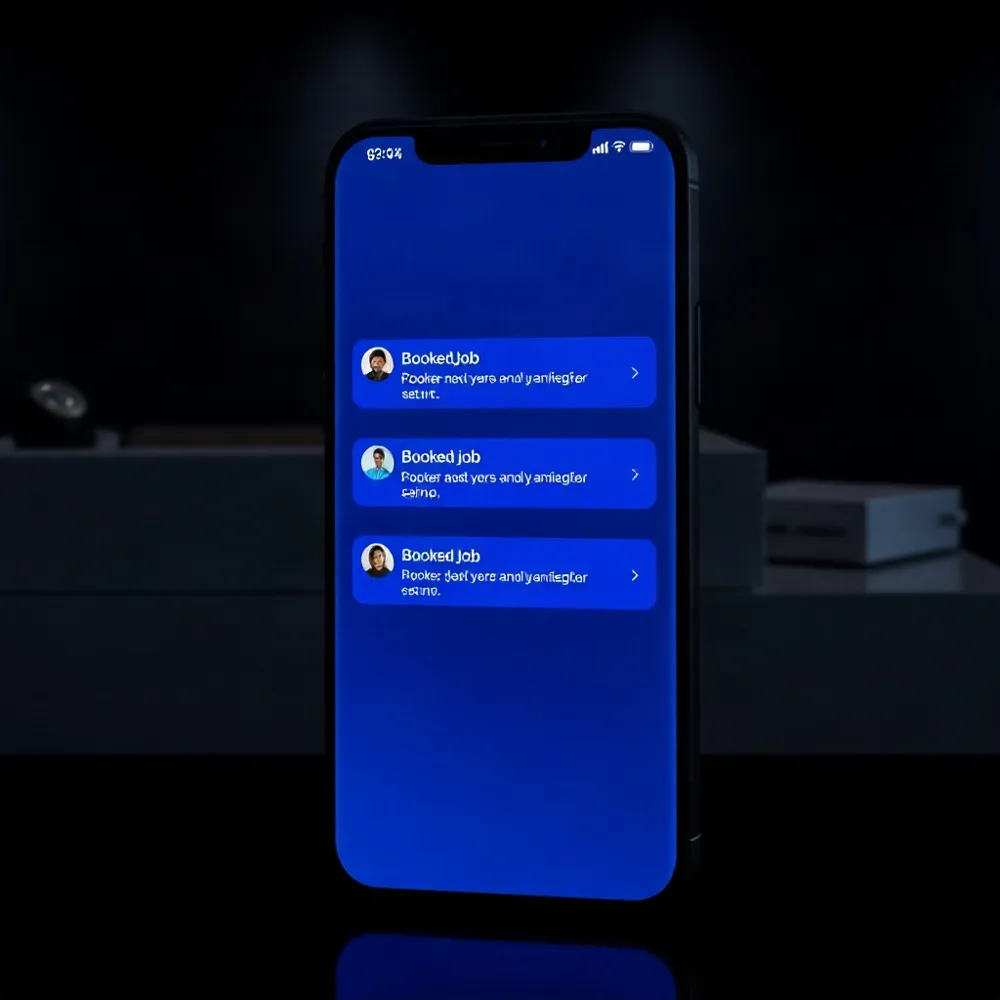
The Shift That Never Sleeps
Picture this: you finish a big job at 6pm, knock off for the day, and by the time you check your phone at breakfast, three leads have come through your website, one has a question about your pricing, and another wants to book a consultation for the next morning. Without a human on the line, those enquiries either go to voicemail or sit unanswered until you get back to the desk.
That gap between a lead arriving and a business responding is a real problem. Research suggests that contacting a new lead within the first hour makes you far more likely to qualify it. Every hour you wait, that lead's interest cools. For Australian small businesses trying to grow without burning out, capturing those after-hours opportunities can be the difference between a full schedule and a quiet week.
An AI chatbot acts like a night-shift receptionist: it answers calls, replies to web chat messages, and books appointments into your calendar while you sleep. It doesn't clock off, take sick leave, or need a coffee break. The goal of this guide is to walk through what these tools can do, how they work in an Australian context, and how you can set one up without the tech headache.
Your 24/7 Night-Shift Receptionist

These tools understand queries in plain English, not just rigid keywords. That means a customer can say "Can I get someone out Thursday arvo?" and the chatbot will interpret the meaning, check real-time availability, and offer a suitable slot without needing a scripted response.
The speed difference is significant. An AI chatbot responds in under 3 seconds, while the average Australian business takes 5 to 8 hours to return a website enquiry. That instant reply can be the difference between a booked job and a lost opportunity.
A well-configured chatbot can be deployed across webchat, SMS, WhatsApp, Facebook Messenger, and Instagram DMs, giving customers a consistent booking experience no matter where they reach out. It handles the ten most common questions instantly, captures contact details and chat history, and hands off a full summary in the morning. You wake up to booked jobs rather than a voicemail backlog.
How It Books While You Snooze
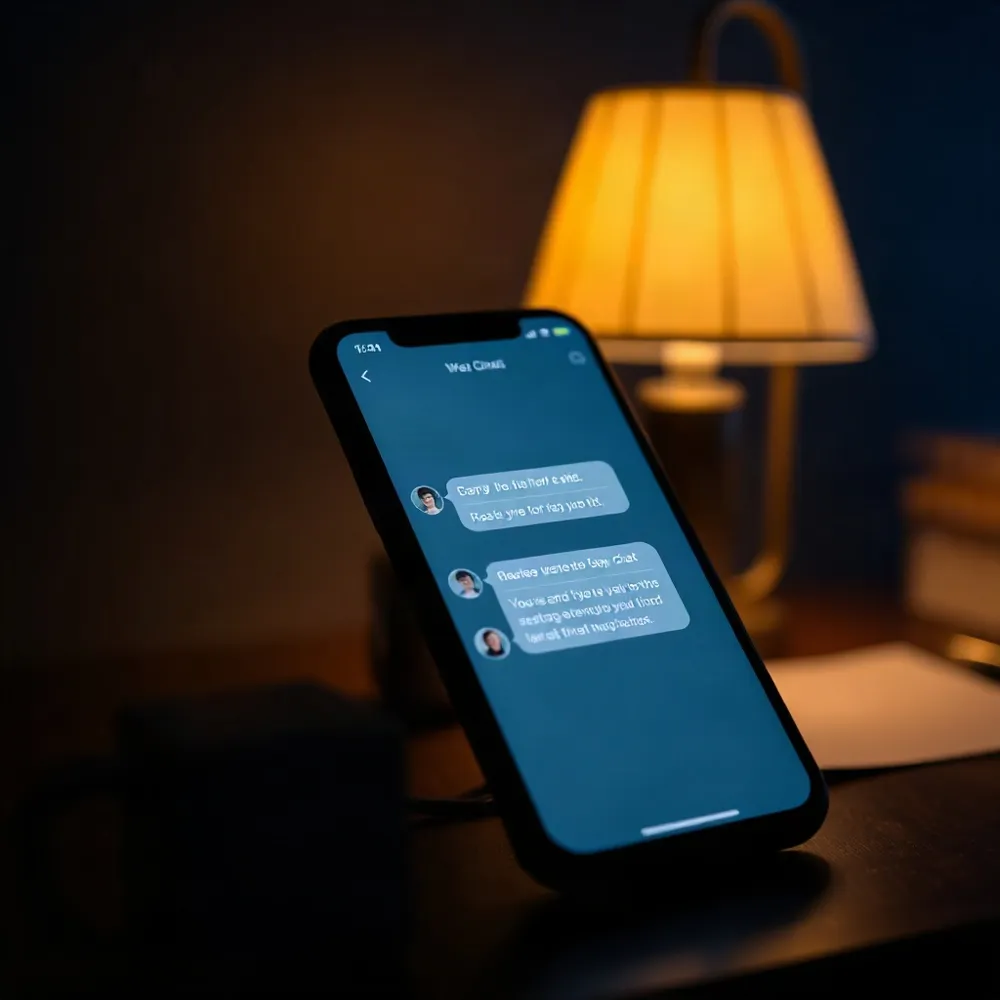
Here is what happens when a customer clicks your chatbot link during the night. First, the AI greets them and asks three or four simple questions: the type of service they need, their preferred day, and their contact details. The bot uses natural language processing to understand free-form replies like "I need a sparky out Thursday arvo" instead of forcing them through a rigid menu.
Once it has the basic info, the chatbot reaches out to your live calendar through a two-way sync ({language: en, label: OAuth 2.0} or a direct API connection to Google Calendar or Microsoft Outlook). It reads all existing bookings to find open slots that match the service type and duration, then presents the customer with real, accurate options. When the customer picks one and confirms, the bot writes that appointment directly back to the calendar, locking it in instantly. Two-way sync means the calendar updates in both directions, which prevents double bookings. A one-way sync (which only writes to the calendar but does not read existing entries) creates an unacceptable risk of scheduling conflicts.
After the slot is locked, the AI sends a confirmation via SMS and email, then schedules automated reminders, typically 48 hours and 24 hours before the appointment. Studies show these reminders reduce no-show rates from roughly 35% down to about 22%, a 13-percentage-point improvement. Some clinics have seen a reduction of up to 40%. The whole booking flow, from the first message to the confirmed calendar entry, takes under a minute, which is why AI chatbots convert 25 to 40% of scheduling conversations into confirmed bookings.
The system can handle more than just a standard single appointment. It supports recurring bookings (like weekly physio sessions) and group bookings where several people need to be scheduled at once, for example a team of inspectors visiting a construction site. Businesses that set up these flows tend to capture 35 to 60% more leads compared to relying on phone lines and email alone.
Qualifying Leads at 2am
A smart AI chatbot doesn't just book anyone who knocks. It asks the same qualifying questions you would (budget, timeline, location, service type)based on the criteria you set. If a prospect isn't a fit, the chatbot can politely collect their details for a follow-up or point them elsewhere, keeping your pipeline clean.
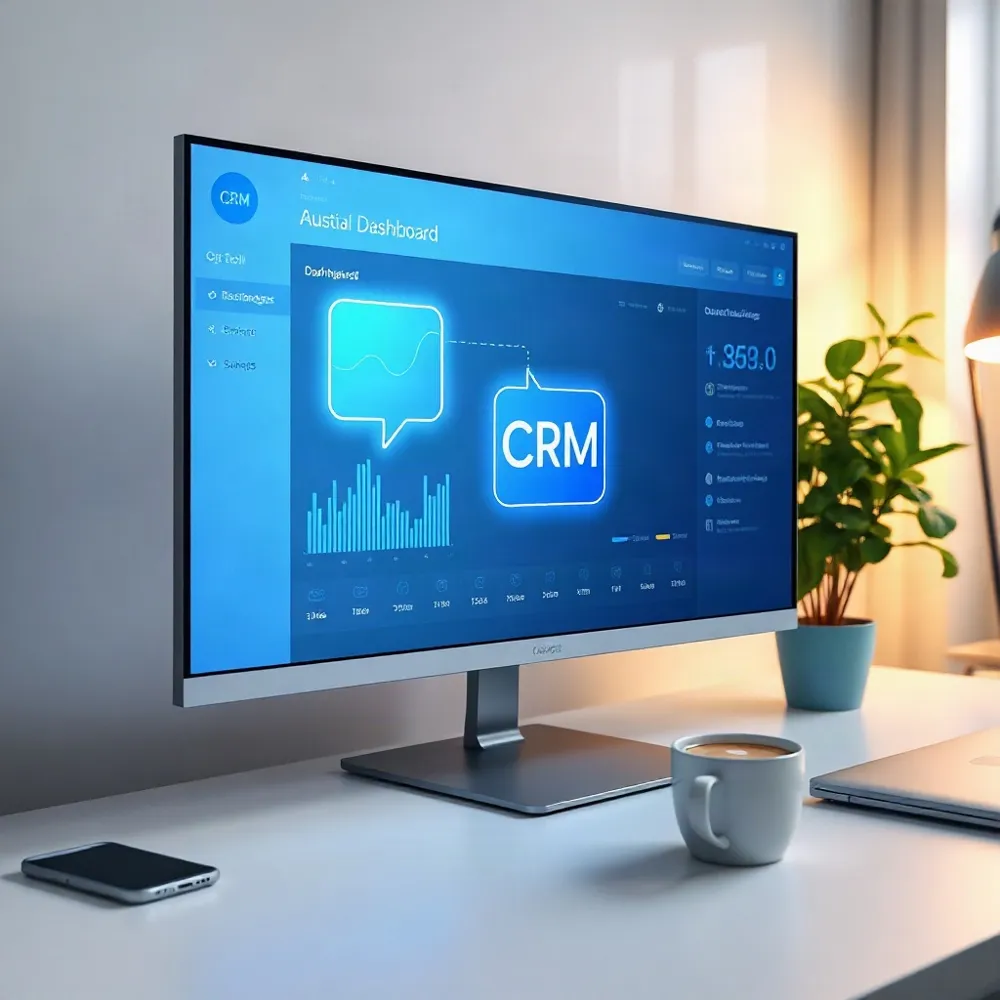
When a lead passes the test, the chatbot captures their contact details, tags the source (website chat, SMS, or social media), and sends the hot lead straight to your CRM or email. It can handle multiple conversations at once, so a spike in demand doesn't create a queue. That means no more lost leads because your inbox was overflowing overnight.
The chatbot integrates with major CRMs like HubSpot, Salesforce, GoHighLevel, Xero, and MYOB to update contact records and trigger workflows. For trades, it captures job details (location, issue type, urgency), provides rough timeframes, checks availability, and books the appointment. For professional services, it qualifies prospects against ideal criteria (business size, budget, timeline), collects preliminary information, and books discovery calls only with qualified leads.
Agencies like OZ Media Digital can set up this kind of system for their clients, ensuring leads are qualified and booked even when the team is offline.
The Tech Making It Possible
Natural Language Processing Meets the Aussie Accent
An AI chatbot that books your appointments isn't magic. It's built on tried-and-tested tech. The first layer is Natural Language Processing (NLP). Large Language Models (LLMs) let the chatbot understand your customers even when they throw in Australian slang, like 'Can I get someone out Thursday arvo?'. The system picks up on sentiment too, so if a customer sounds frustrated or confused, it can escalate to a human straight away.
Learning From Your Data
Machine learning goes a step further by analysing your historical booking data. It spots patterns like peak demand times, common cancellation triggers, and optimal appointment lengths. Over time, the chatbot gets better at suggesting the right slots and reducing conflicts, without you lifting a finger.
Keeping Your Calendar Clean
Two-way calendar synchronisation is the backbone that prevents double bookings. Using OAuth 2.0 and API connections, the chatbot reads your Google Calendar or Microsoft Outlook in real time, checks availability, writes back confirmed meetings, and updates if something changes. This keeps your schedule accurate and your clients happy.
Data Security and Compliance
Australian businesses need to trust their data is safe. Reputable AI tools use encryption in transit and at rest, follow ISO 27001 standards, store data in Australian data centres, and give you ownership of your conversation data. This ensures compliance with the Australian Privacy Act and gives you peace of mind.
Pricing That Works for Small Business
Most Australian AI chatbot services use a subscription model, typically between $199 and $399 per month for small to medium businesses. Pricing can be per conversation, per resolution, or flat monthly. Many providers offer a free trial, like a 7-day risk-free test, so you can see results before committing.
Powered by Your Own Knowledge
The best chatbots don't guess. They pull answers from your own trusted sources: your FAQ page, service descriptions, price lists, and policies. This means every response is accurate, on-brand, and up to date with your latest offering.
Who's Using It Down Under?
Australian businesses across a wide range of industries are already putting AI receptionists to work. The technology is not limited to tech startups or big corporations. From tradies to dentists, business owners are finding that a chatbot can handle a surprising amount of the daily routine.
Healthcare and Wellness
Clinics use chatbots to handle new patient enquiries, explain services, and check practitioner availability. The chatbot can book appointments, send intake forms, and manage rescheduling overnight. Since many calls to a healthcare practice are administrative, offloading those to an AI frees up reception staff for complex cases.
Trades and Home Services
For electricians, plumbers, and landscapers, the chatbot captures job details like location, issue type, and urgency. It provides rough timeframes, checks availability, and books the appointment directly into the tradie's calendar. Business owners wake up to a confirmed job rather than a voicemail.
Professional Services
Accountants, lawyers, and consultants use chatbots to qualify prospects against ideal client criteria. The AI explains the process, collects preliminary information, and only books introductory calls with potential clients who meet the criteria. This means less time on tyre-kickers and more time with genuine clients.
Hospitality
Restaurants and cafes use chatbots to handle reservations, manage special requests, and check table availability, all while the team is off the clock. The system can confirm bookings instantly and send automated reminders to reduce no-shows.
Retail and E-commerce
Online stores integrate chatbots with platforms like Shopify and Square to process orders, handle returns, and answer product questions after hours. Customers get immediate answers and the business saves on customer service costs.
Across all these sectors, the pattern is the same: the AI handles many of the interactions that are repetitive and time-sensitive, leaving the business owner and their team to focus on the work that actually requires a human touch.
Cutting No-Shows and Filling Gaps
A booked appointment is only valuable if the customer actually shows up. No-shows eat into revenue and waste staff time, but AI chatbots can help reduce them through automated reminders and smart scheduling.
Automated Reminders That Work
AI chatbots can send SMS or email reminders, confirmations, and follow-ups without any staff involvement. These reminders give customers a nudge before their appointment, helping cut down on missed visits.
The chatbot doesn't just send a generic message. It can include easy reschedule links that let customers move their appointment without manual back-and-forth. If a customer does miss their slot, the chatbot can follow up automatically to rebook them, turning a lost opportunity into a second chance.
Smarter Scheduling and Load Balancing
Chatbots can analyse historical booking data to detect peak periods and nudge customers toward quieter shoulder times. This helps balance demand across the day, filling gaps that would otherwise sit empty.
Many appointments are booked after hours or at the last minute. An AI chatbot can capture those after-hours calls that would otherwise go to voicemail, and it offers immediate slots at times your customers actually want.
For local service businesses, the chatbot can handle this entire flow. It books the appointment, confirms it, sends reminders, and follows up on no-shows, all without a staff member touching it.
The result: fewer empty diaries, more filled slots, and more predictable revenue. Your team spends less time chasing cancellations and more time on the work that pays the bills.
Tying It Into Your Business Systems
A chatbot that books appointments is useful on its own. One that talks to your CRM, accounting software, and marketing tools is a whole different level of powerful. The real value comes from connecting the pieces, turning an ad click into a booked job with no manual steps in between.
CRM and Calendar Sync
When a customer books via chat, the appointment should write itself to your calendar, Google Calendar or Outlook via OAuth 2.0, so your diary is always up to date and double bookings are impossible. At the same time, the chatbot can tag the lead source, create a contact record, and trigger a task for your team in your CRM (HubSpot, Salesforce, or an all-in-one platform like GoHighLevel). OZ Media Digital helps clients set up this two-way sync, so a booking made at 10pm appears in your morning schedule and gets added to your follow-up list without anyone touching it.
Accounting and Payments
For many Australian businesses, the link to accounting software is where automation really saves time. The chatbot can send invoice details to Xero or MYOB, process a deposit or full payment via Stripe during the booking flow, and sync with Square or Shopify for retail and e-commerce customers. That means no more chasing payments after a booked job, the money is captured before the appointment even happens.
Marketing and Follow-Up
The same chatbot that books the appointment can also trigger your marketing automation. Once a lead is captured, it can kick off a nurture sequence (emails or SMS over several days), send an automated review request after the service is completed, and re-engage leads that didn't convert. GoHighLevel, for example, bakes this workflow into its CRM, the chatbot triggers actions in the same platform rather than exporting data elsewhere. The result is a single system that handles ad → landing page → form → CRM → instant response → lead qualification → sales notification → nurture → appointment → follow-up, all in one flow.
The chatbot can also sit on multiple channels at once (your website, Google Business Profile, Facebook Messenger, Instagram DMs, WhatsApp, and SMS)so no matter where a customer reaches out, the same booking logic applies and the data lands in the same place. That channel spread means you connect with customers where they already are, while keeping a single, clean record of every lead, every booking, and every next step.
Setting Up Your Own AI Receptionist
Getting an AI receptionist live is faster than you think. A basic chatbot can be running in 24 to 48 hours. A fully configured system with custom workflows, CRM integration, and multi-channel deployment usually takes one to two weeks.
Start by choosing a platform. Options like GoHighLevel, Tidio's Lyro AI, or Dapta each offer different strengths. You will need to create an account, set up your business location, and connect your calendar with availability rules such as minimum notice time, maximum advance booking, custom appointment lengths, and a post-appointment buffer.
Next, design your conversation flows and train the AI on your business knowledge. Feed it your FAQ document, services, pricing, policies, and common objections. The more context you give it, the better its responses will be. Integrate it with your CRM, calendar, and email so bookings sync automatically.
Test Before You Go Live
Run your system with a test calendar first. Try valid, unavailable, and unclear booking requests. Check timezone settings, especially if your business operates across states with different daylight saving rules. Store times in UTC and confirm the customer's local timezone to prevent errors.
Run the AI system in parallel with your existing booking process for the first two weeks. This catches configuration errors before they affect customers and gives your team confidence in the new tool. Always provide a clear human fallback for exceptions or complex situations.
Staff Training and Compliance
Your front-desk team needs to understand how the bot works, what questions it asks, and where it falls short. Train them to read chatbot logs, correct misbookings, and identify cases that should never have been auto-scheduled.
Compliance matters. Under the Privacy Act 1988, you must disclose that it is an AI, store customer data securely, have a clear privacy policy, and obtain opt-in consent for marketing. From December 2026, your privacy policy must also explain any automated decisions that could significantly affect a person, such as a bot deciding eligibility or issuing a refund.
Real Results That Matter
The numbers from real Australian businesses paint a clear picture. A Sydney consulting firm saw 72% of its customer enquiries handled by an AI chatbot, slashing response times by 10 times and saving $95,000 a year on administrative work. A Melbourne retailer with 5,000 daily orders cut average response time from 6 hours to 30 seconds, lifted customer satisfaction from 71% to 94%, and saved $180,000 annually.
A Brisbane loan provider cut application processing from 7 days to 2, with 58% of enquiries resolved without a human agent and $220,000 in yearly savings. Dapta customer Magnetic Energy saw a 5x jump in its lead-to-appointment ratio after automating booking.
Across the board, businesses report 40-60% of service enquiries resolved entirely by AI. Australian small businesses capture 35-60% more leads with a 24/7 chatbot. For a trade business with an average job value of $500, just 5 extra leads per month translates to an annual ROI of 650%.
From Missed Calls to Booked Jobs
Missed calls and lost leads used to be the cost of doing business when you closed for the day. That trade-off no longer exists. An AI receptionist flips the equation: the 60% of interactions that are repetitive and time-sensitive get handled automatically, while your team focuses on the complex work that needs a human touch.
The shift is simple. Instead of waking up to a voicemail inbox full of enquiries that went nowhere, you wake up to a calendar with booked jobs, qualified leads captured in your CRM, and follow-ups already in motion. Those after-hours opportunities that used to slip through the cracks become your next morning's pipeline.
For Australian small business owners, the first step is easy. Many platforms, including those used by OZ Media Digital, offer risk-free trials to see the difference firsthand. Start with one controlled workflow (a single service, one calendar, clear hours)and measure what happens to your after-hours bookings and no-show rates. In a week or two, you'll have the data to decide.
You no longer have to choose between a good night's sleep and growing your business. The technology is proven, the setup is straightforward, and the result is a steady stream of booked jobs that happen while you rest.